by alisonmlovell | Jun 5, 2023 | Uncategorized
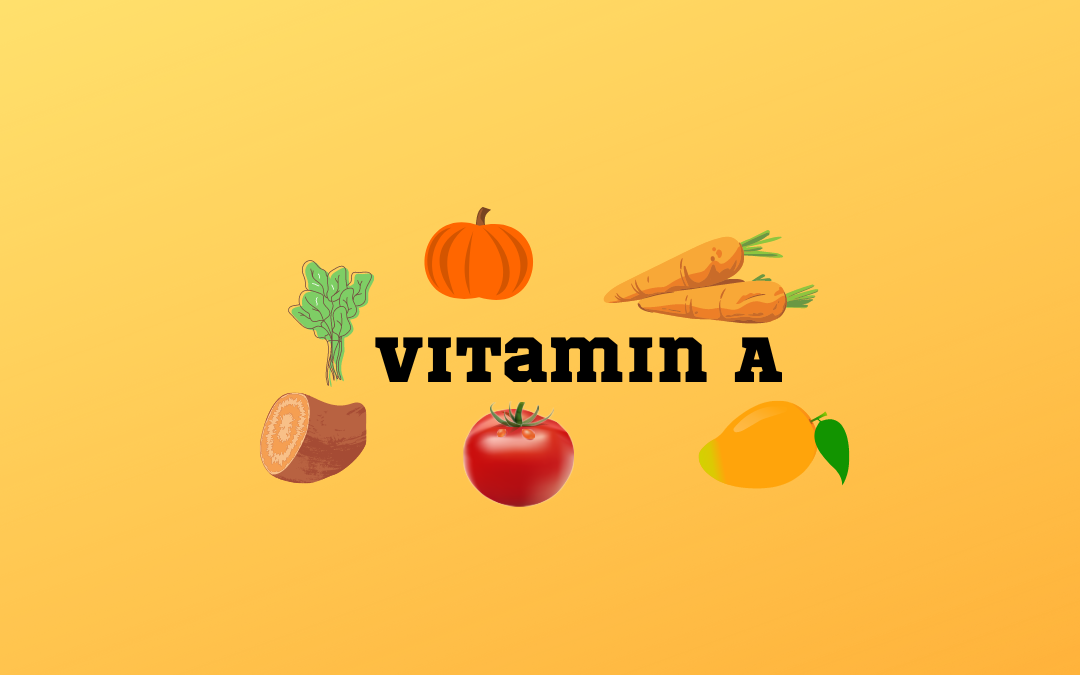
Vitamin A is a fat soluble vitamin which our bodies can not produce itself. Therefore we must obtain Vitamin A from food, where it is then stored in our live, bound to proteins and ready to be transported around the body as required. Vitamin A is probably best known...
by alisonmlovell | Jun 5, 2023 | Uncategorized
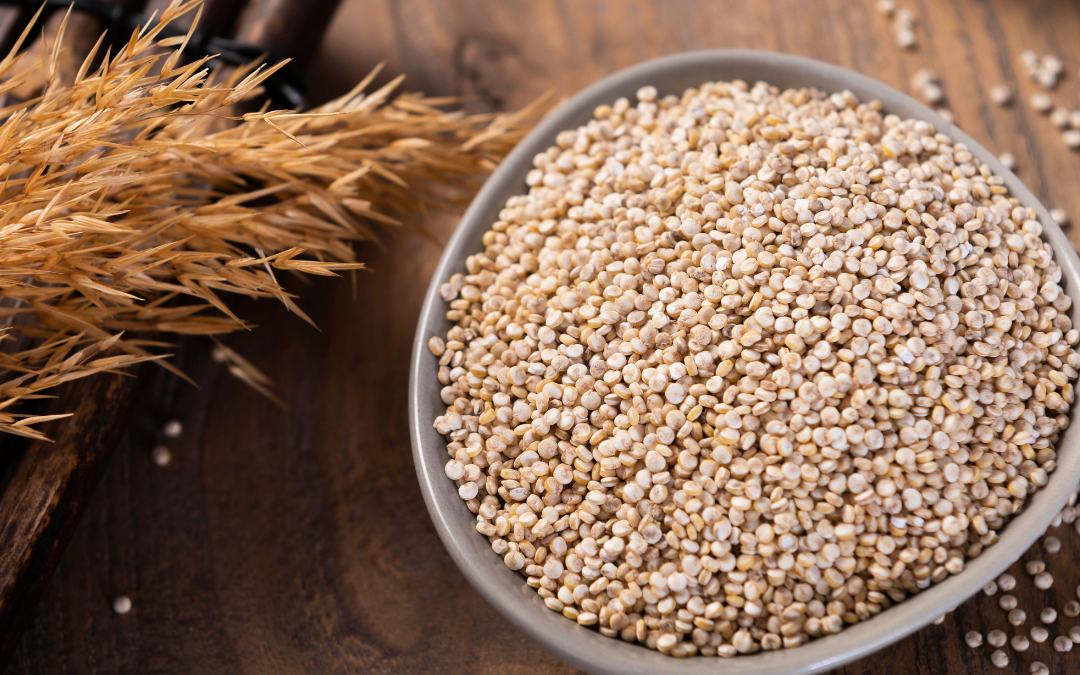
Quinoa dates back centuries, grown by cultures such as the Incas at high altitudes. It is high in protein and contains essential fatty acids, minerals, vitamins, dietary fibres and carbohydrates. It is gluten free and is a versatile food that can be eaten at every...
by alisonmlovell | Jun 5, 2023 | Uncategorized
Vitamin B12 is water soluble vitamin and an essential micronutrient. We obtain it predominately from animal products (typically red meat, dairy and eggs). Vitamin B12 is a key nutrient that is involved in the synthesis of our DNA, formation of blood cell components,...
by alisonmlovell | Jun 5, 2023 | Uncategorized
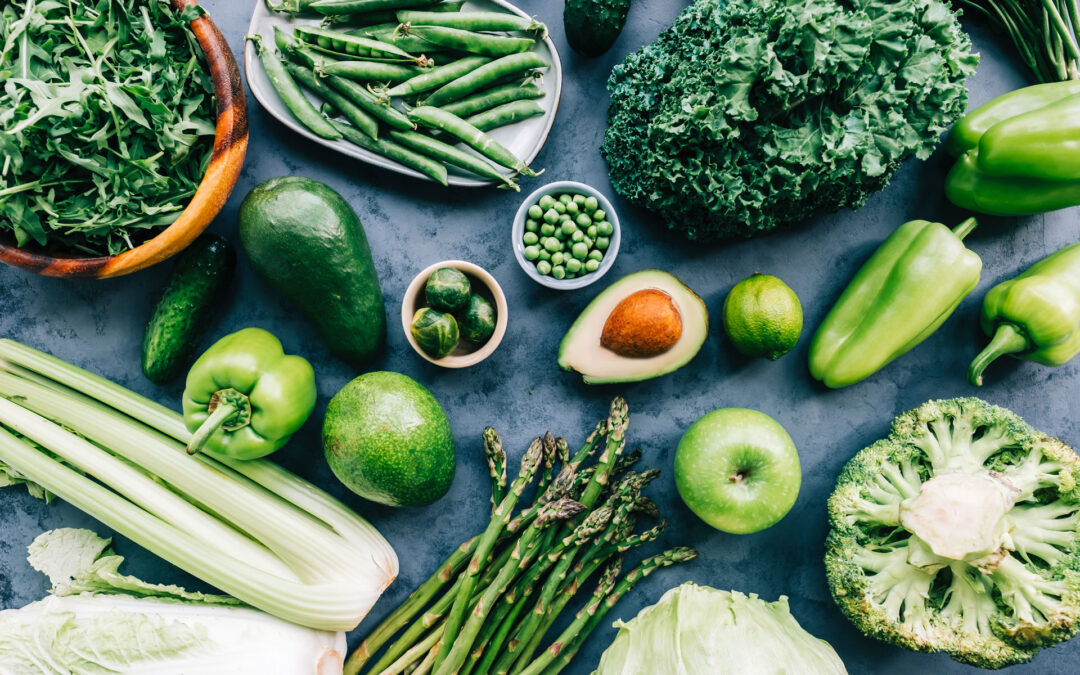
Evidence suggests that increased dietary fibre consumption may positively alter the gut bacteria and influence metabolic health. Dietary Fibre leaves your stomach undigested and ends up in your colon where it feeds friendly gut bacteria providing various health...

by alisonmlovell | Apr 24, 2023 | Uncategorized
Herbal Teas are considered to contain an abundance of polyphenol antioxidants as well as other ingredients associated with the protection and treatment of various ailments and maintaining overall health. Herbal tea is actually not made from tea plants but from...
by alisonmlovell | Apr 24, 2023 | Uncategorized
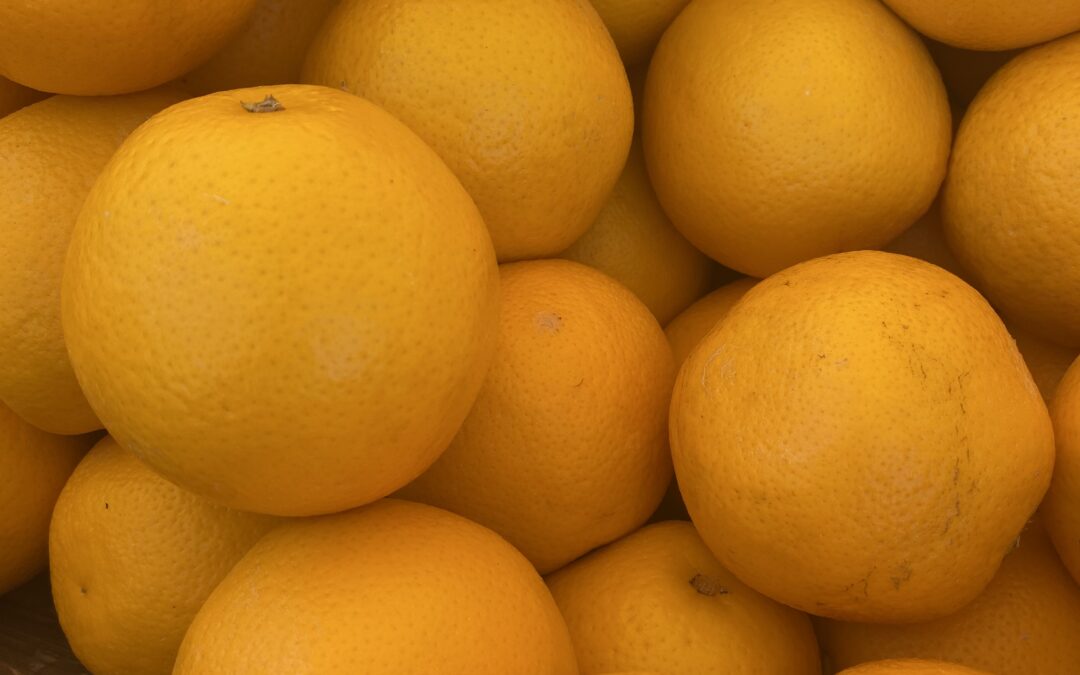
As humans we rely solely on the dietary intake for the maintenance of the body pool of Vitamin C. Foods high in Vitamin C include: Citrus fruits: organes, kiwi, lemon, grapefruitStrawberriesTomatoesCruciferous Vegetables: Broccoli, Brussels, Cabbage, Cauliflower The...
