
The word cholesterol can cause a lot of quiet worry, often without much explanation to go with it.
To help you understand more about it, I want to start with suggesting that cholesterol is not the enemy. Your body actually needs it. It is used to build cell membranes, produce hormones, and support digestion. Therefore the focus is not about getting rid of cholesterol but rather it is about keeping a healthy balance that works best for you.
Why levels can shift
Cholesterol travels through your blood stream attached to 2 main carriers, abbreviated to LDL and HDL. LDL is often labelled ‘bad’ and HDL ‘good, but it is really about balance rather than good versus bad.
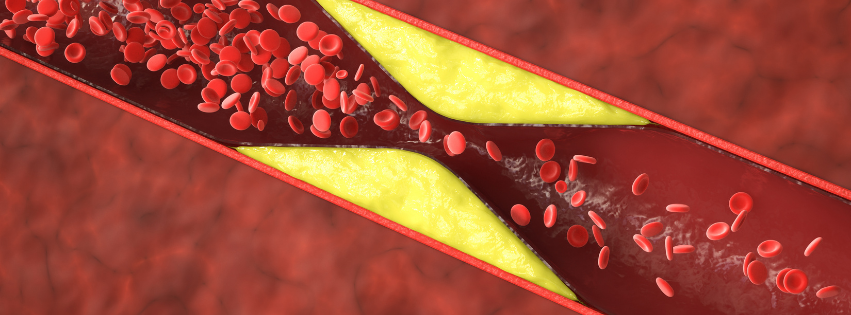
For women, particularly, levels can shift during perimenopause and menopause, as changing oestrogen affects how the body manages fat. This is a normal, explainable shift and not necessarily a sign that something has gone wrong.
That is exactly why regular checks matter. A cholesterol test does not need to be something you dread. Think of it as simple information. It is a way of understanding your own body a little better so you can respond early and gently rather than waiting for a bigger conversation with your GP down the line.
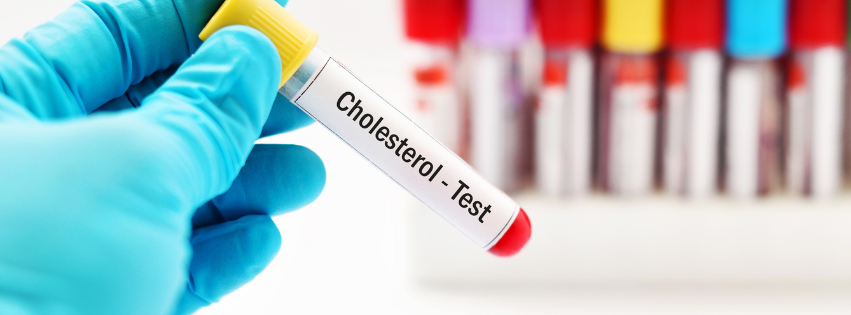
Your GP will test a ‘lipid profile’ which includes your LDL, HDL and Triglycerides and this will provide an initial overview of your levels. However, to really understand if there are harmful particles in your cholesterol and in turn enable a more specific personalised protocol to help rebalance it, further testing of protein called ‘Apo B’ can be extremely beneficial. These tests are largely available privately rather than through your GP.
LDL tends to be the number that draws most attention on a cholesterol test, so it is worth knowing that diet has a genuinely direct role to play here. Again, the most sustainable approach is not always about cutting things out. Often it is about adding in.
Consider:
- More Soluble Fibre: oats, beans and lentils are particularly well associated with supporting healthy LDL levels, as they can help the body clear cholesterol more efficiently
- Plant Sterols: found naturally in nuts, seeds, and some fortified foods, which may help support LDL alongside a varied diet
- Oily Fish: once or twice a week providing omega-3s that are associated with overall heart health
- Swapping some saturated fats for unsaturated ones where possible. e.g. olive oil in place of butter (rather than removing fat altogether)
- Movement you actually enjoy, since this supports both LDL and stress levels together
None of this needs to happen overnight. Small steps can lead to big impacts here. A swap at breakfast, an extra portion of vegetables at dinner, a short walk after a meal. Slowly but surely these add up.
In summary
Your cholesterol numbers, LDL included, are simply information, not a verdict. With regular checks and a heart healthy way of eating that adds nourishment rather than restriction, you are not just managing a number but rather you are supporting the body that carries you through everything else.
If you would like more personalised guidance on this including the Apo B test I have mentioned above, I am always happy to have a chat and discuss further, just get in touch. 😀